With RIS3 signalling a decisive shift toward maintenance, renewal and operational performance, and with local authorities under intense pressure to do more with less, the industry’s focus is moving away from headline-grabbing megaprojects and toward something much harder: Delivering complex change safely, repeatedly, and with minimal disruption on live networks.
Across Hertfordshire and similar county networks, the nature of highways delivery has fundamentally changed.
Most investment today is not going into new roads, it’s going into:
- Junction upgrades
- Developer-led S278 works
- Signals modernisation
- Lighting renewals
- Safety and capacity improvements
And almost all of it is being delivered on live, heavily trafficked networks.
Over the past few years, working alongside term service providers like Ringway, Newgate Civil Engineering has supported multiple schemes that illustrate a simple truth: The technical solution is rarely the hardest part. The real challenge is how you deliver it without disrupting the network.
Lighting Upgrades and Power Works
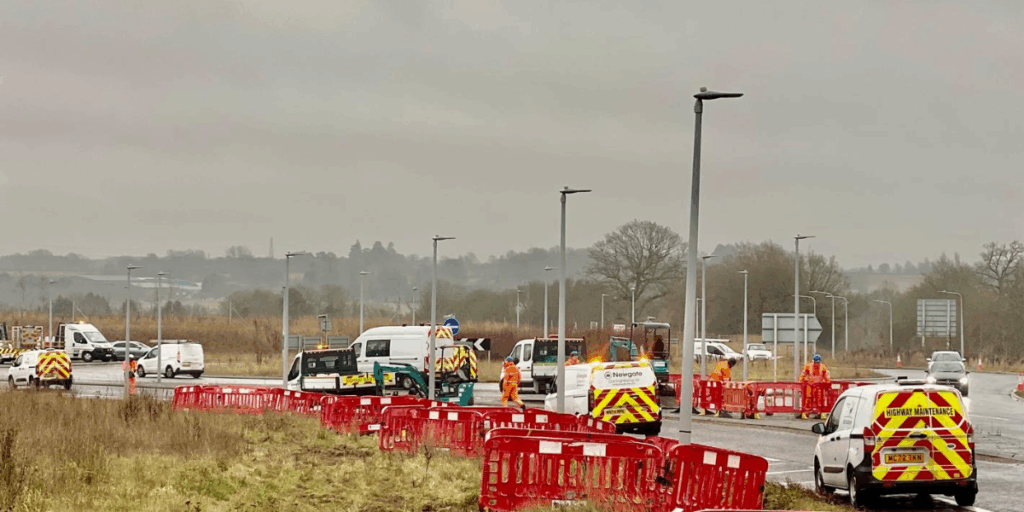
Lighting upgrades often look simple on drawings, in reality, they frequently involve:
- Working in narrow verges or footways
- Night-time operations
- Traffic-sensitive routes
- Complex utility interfaces
- Public-facing disruption risk
On these programmes, the difference between a good and bad outcome is:
- How well access, traffic management and reinstatement are planned
- How well interfaces with other works are coordinated
- How much is done to minimise repeat visits and repeat disruption
The lesson is consistent: The public doesn’t judge us on the asset we install. They judge us on how painful the process was.
Signals Modernisation
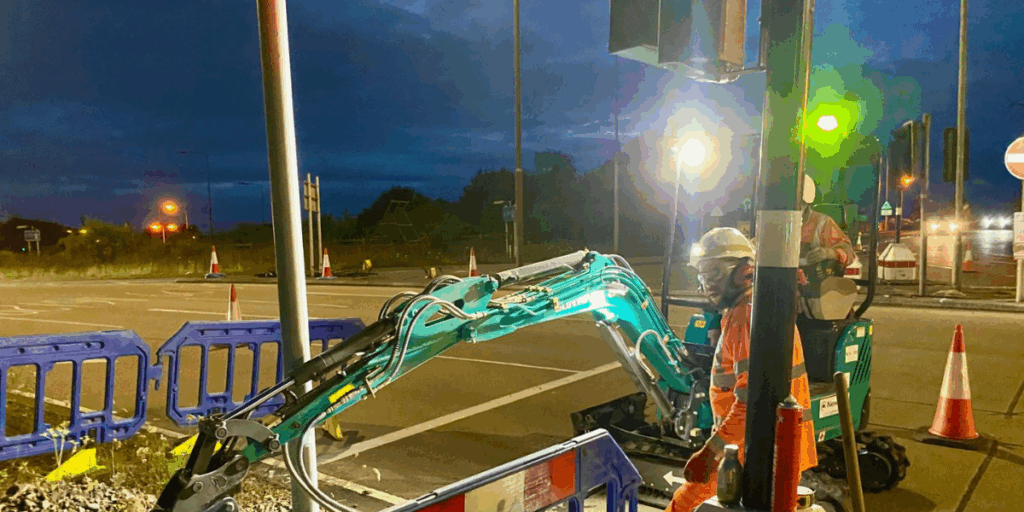
On complex schemes, keeping traffic moving efficiently through live networks is as critical as delivering the civils infrastructure itself. To manage this, Newgate Civils has specified and deployed Metro Signal temporary traffic signal systems, a fully wireless, highly visible solution designed for demanding urban environments. Metro Signals are quick to install, require no cables, and use advanced radio communication technology to maintain reliable, staged traffic control even under heavy daily flows, helping to minimise congestion and disruption for road users throughout the construction programme. Their full-height signal poles and conspicuous design improve driver perception and safety, while their flexibility supports complex phasing needs typical of busy S278 junction and corridor works, ensuring that both traffic and pedestrians can be moved safely and efficiently even while key highway improvements are underway.
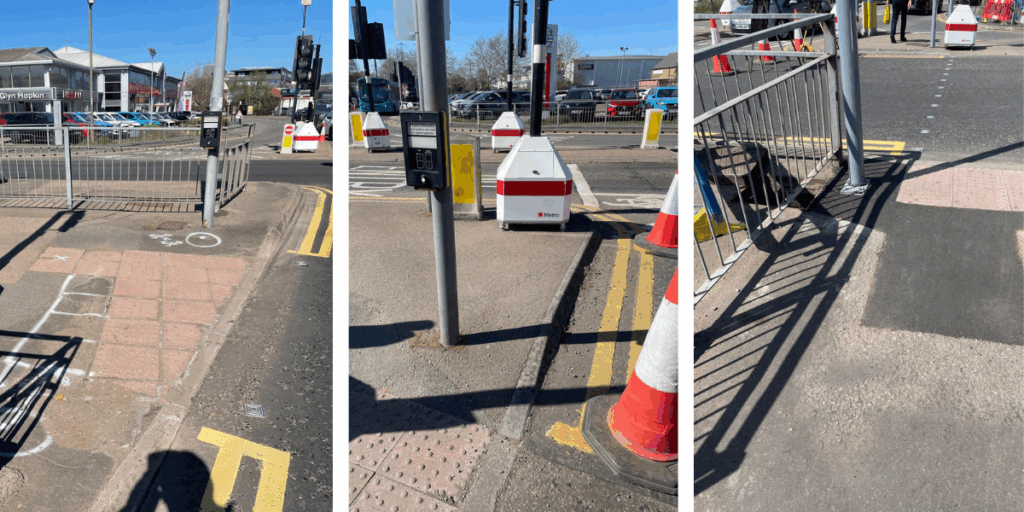
Signals work is a perfect example of high-impact, low-visibility infrastructure.
When it goes well, nobody notices. When it goes wrong, the entire network feels it.
On multi-arm junction upgrades delivered under term maintenance contracts:
- The physical footprint of works is small
- But the operational risk is huge
- One failed commissioning can cause network-wide disruption
On recent projects, risk has been reduced by:
- Early integration with the term service provider’s network management teams
- Utilisation of the Metro Signal system
- Full end-to-end testing before live changeover
- Treating the switch-over as a major operational event, not a minor task
This is not just engineering. It’s live network operations management.
The Common Thread: Interfaces Are Where Schemes Succeed or Fail
Across S278, signals and lighting schemes, the biggest risks are rarely:
- The design
- The specification
- Or the construction itself
They are:
- Transitions
- Tie-ins
- Staging
- Temporary arrangements
- Commissioning
- And handover back into live operation
This is why specialist delivery capability in these areas is no longer “supporting works”.
It is core to network performance, public satisfaction, and client reputation.
What This Means for Local Authorities and Term Service Providers
As more funding is directed into:
- Network optimisation
- Safety upgrades
- Active travel
- Technology and control systems
- Developer-funded infrastructure
More work will happen:
- In traffic
- Under scrutiny
- In constrained windows
- With zero tolerance for failure
The partners who add the most value will be the ones who:
- Reduce interface risk
- Think operationally, not just contractually
- Plan commissioning like an operation, not a formality
- And design delivery around keeping the county moving
Final Thought
Modern highways delivery is no longer about who can build the biggest assets.
It’s about who can:
- Change the network safely
- Upgrade it quietly
- Integrate works seamlessly
- And hand it back without anyone noticing
This is the real benchmark of success on today’s local road networks.
Contact us today to discuss your maintenance, renewal and operational performance requirements and how we can keep the network moving.