
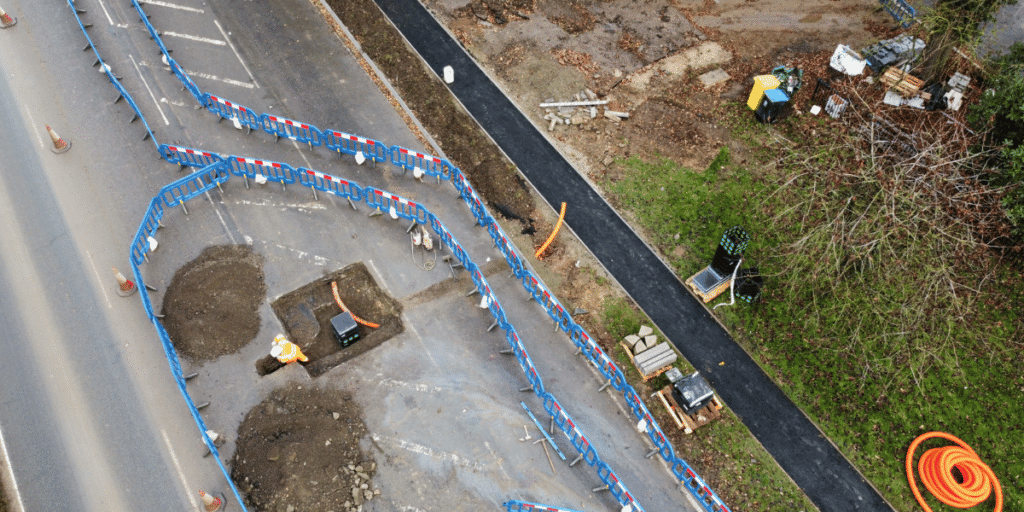
The UK highways sector is entering an important period of investment, with the Government committing £7.3 billion towards local highway maintenance across England between 2026 and 2030.
The funding represents a significant opportunity for local authorities to improve road conditions, address ageing infrastructure and move towards more proactive approaches to highway maintenance.
For local authorities, principal contractors and civil engineering companies, this investment brings renewed focus on the importance of delivering high-quality, sustainable infrastructure improvements.
But what does the funding mean in practice, and how will it influence the future of highways maintenance?
A £7.3 Billion Investment in Local Highways
The Department for Transport (DfT) has confirmed £7.3 billion in capital funding for local highway maintenance between the 2026/27 and 2029/30 financial years.
The funding is intended to give local authorities greater financial certainty, allowing them to plan longer-term maintenance programmes rather than relying heavily on short-term, reactive repairs.
The investment is also structured around performance and accountability, with a proportion allocated through incentive funding linked to authorities demonstrating good highway maintenance practices.
In October 2026, the Government announced a further £220 million in incentive-based funding for councils meeting the relevant performance requirements.
The scale of the investment reflects the importance of maintaining England’s road network and ensuring that local infrastructure remains safe, reliable and fit for purpose.
Moving Away from Reactive Repairs Towards Preventative Maintenance
One of the key messages behind the Government’s investment is the need to move away from repeatedly repairing defects once they become a problem.
Traditionally, much of highway maintenance has involved responding to issues such as potholes, damaged road surfaces and deteriorating infrastructure. While reactive repairs remain essential, addressing defects earlier can help prevent more extensive deterioration and potentially reduce long-term maintenance costs.
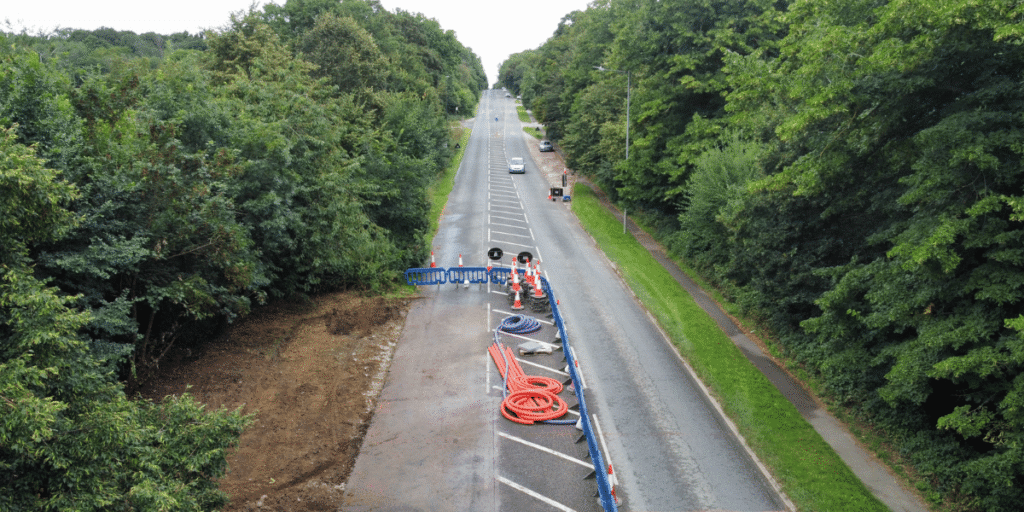
The Government’s latest figures highlight this changing approach.
According to local authority highway maintenance reports published in October 2026:
- Nearly 7,000 miles of carriageway maintenance are projected for 2026/27.
- Almost 2,000 miles are expected to receive structural maintenance.
- Nearly 5,000 miles are expected to receive preventative maintenance.
- 94% of local highway authorities are projecting preventative road maintenance treatments, compared with 76% in 2025/26.
This demonstrates an increasing emphasis on protecting existing road infrastructure, rather than simply responding when defects become visible.
For highway authorities, selecting appropriate repair methods, carrying out timely interventions and working with experienced contractors will all play an important role in achieving these objectives.
The Importance of Quality Highway Repairs
Preventative maintenance is not simply about completing more repairs. It is about ensuring that the correct work is undertaken, using suitable materials and installation methods to achieve a durable result.
Poor-quality repairs can lead to recurring defects, additional maintenance costs and unnecessary disruption to road users.
Specialist repair methods, appropriate surface treatments and correctly installed highway components can all contribute to extending the service life of existing infrastructure.
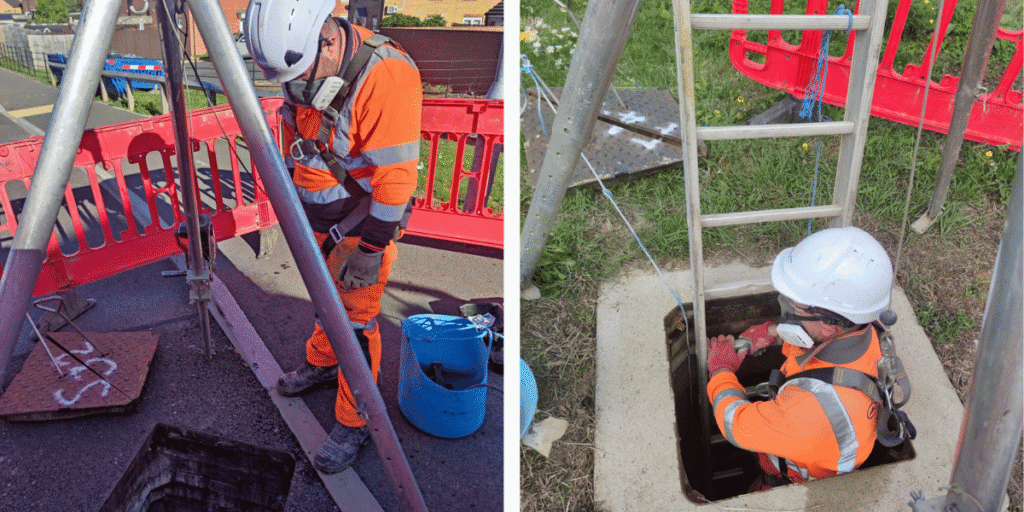
At Newgate Civil Engineering, we provide a range of highway maintenance and civil engineering services, supporting local authorities and principal contractors with the delivery of infrastructure improvement schemes.
Our capabilities include:
Specialist Road Repairs
Our Pacopatch repair service provides a specialist solution for addressing defects in road surfaces and associated highway infrastructure. Using IKO Pacopatch materials, we undertake repairs designed to provide a durable reinstatement.
Ironworks and Chamber Repairs
Damaged or deteriorating ironworks can present safety concerns and contribute to the deterioration of surrounding road surfaces. We undertake ironworks repairs and replacements to help maintain safe highway infrastructure.
Highway Resurfacing and Reinstatement
We undertake a range of highway surfacing and reinstatement works, helping to restore carriageways, footways and associated infrastructure following improvement and maintenance schemes.
Drainage and Groundwork
Effective drainage is essential to maintaining the condition of the highway network. We undertake drainage installations, repairs, excavations and associated groundwork to support the long-term performance of highway infrastructure.
Street Lighting and Traffic Infrastructure
Maintaining existing infrastructure also means ensuring that lighting, electrical assets and traffic systems remain operational. We undertake passive lighting, traffic signal and associated civil engineering works.
Why Effective Delivery Partners Matter
Additional funding creates opportunities, but successful delivery depends on more than financial investment alone.
Local authorities and principal contractors need experienced civil engineering contractors who can deliver works safely, efficiently and to the required standards.
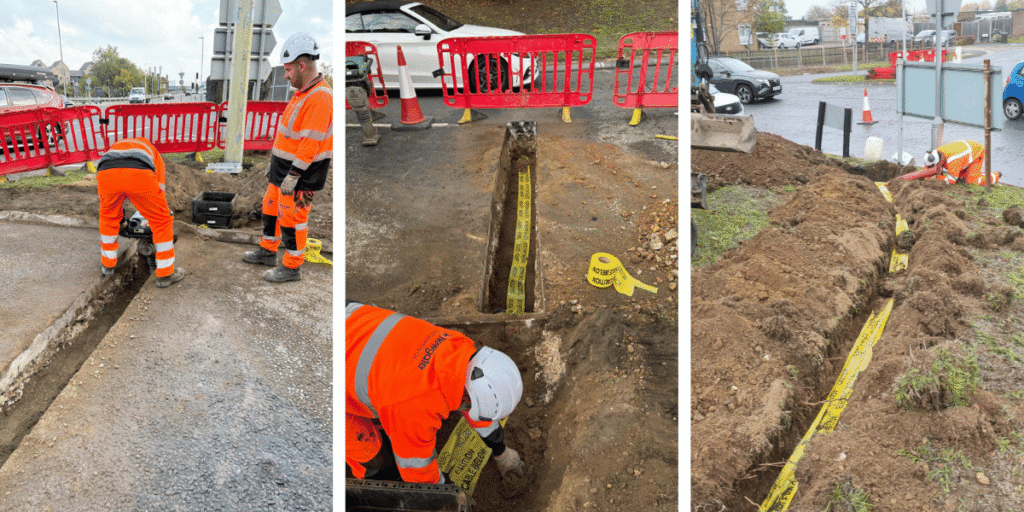
Effective planning, suitable traffic management, coordination with other contractors and minimising disruption to the travelling public are all important considerations when undertaking work on the public highway.
There is also an increasing need to ensure that maintenance programmes are delivered efficiently, with quality workmanship and appropriate attention to the long-term condition of the infrastructure.
Working with an experienced delivery partner can help support these objectives, providing the practical skills and resources needed to complete a wide range of highway improvement and maintenance schemes.
Supporting the Future of UK Highway Infrastructure
The Government’s £7.3 billion highways maintenance investment represents an important opportunity to improve the condition of local roads and associated infrastructure across England.
With greater emphasis on preventative maintenance, long-term asset management and accountability, the coming years are likely to see continued demand for skilled civil engineering contractors capable of delivering quality highway works.
At Newgate Civil Engineering, we have over 30 years of industry experience, delivering civil engineering and infrastructure projects for local authorities, public utilities, developers and principal contractors.
From specialist road repairs and ironworks to drainage, street lighting and Section 278 highway works, our team provides practical civil engineering solutions to support the delivery and maintenance of essential infrastructure.
Looking for an experienced civil engineering contractor to support your next highways maintenance or infrastructure project?
Contact Newgate Civil Engineering to discuss your requirements and find out how our team can support your next scheme.